
CM Nayab Singh Saini approves Haryana Cold Chain Policy, village packhouses for farmers
 Aayush Goel
Published
Chandigarh. Haryana farmers will get village-level packhouses, pre-cooling units and refrigerated transport so they are not forced to sell their crop right after harvest, under a new cold chain policy approved by Chief Minister Nayab Singh Saini.
Agriculture and Farmers’ Welfare Minister Shyam Singh Rana announced the approval on Monday. He said the policy would cut farmers’ dependence on middlemen and let them sell in markets of their choice. Its aim, he said, is “not merely to establish cold storages, but to ensure that farmers’ produce reaches more profitable markets while maintaining better quality.”
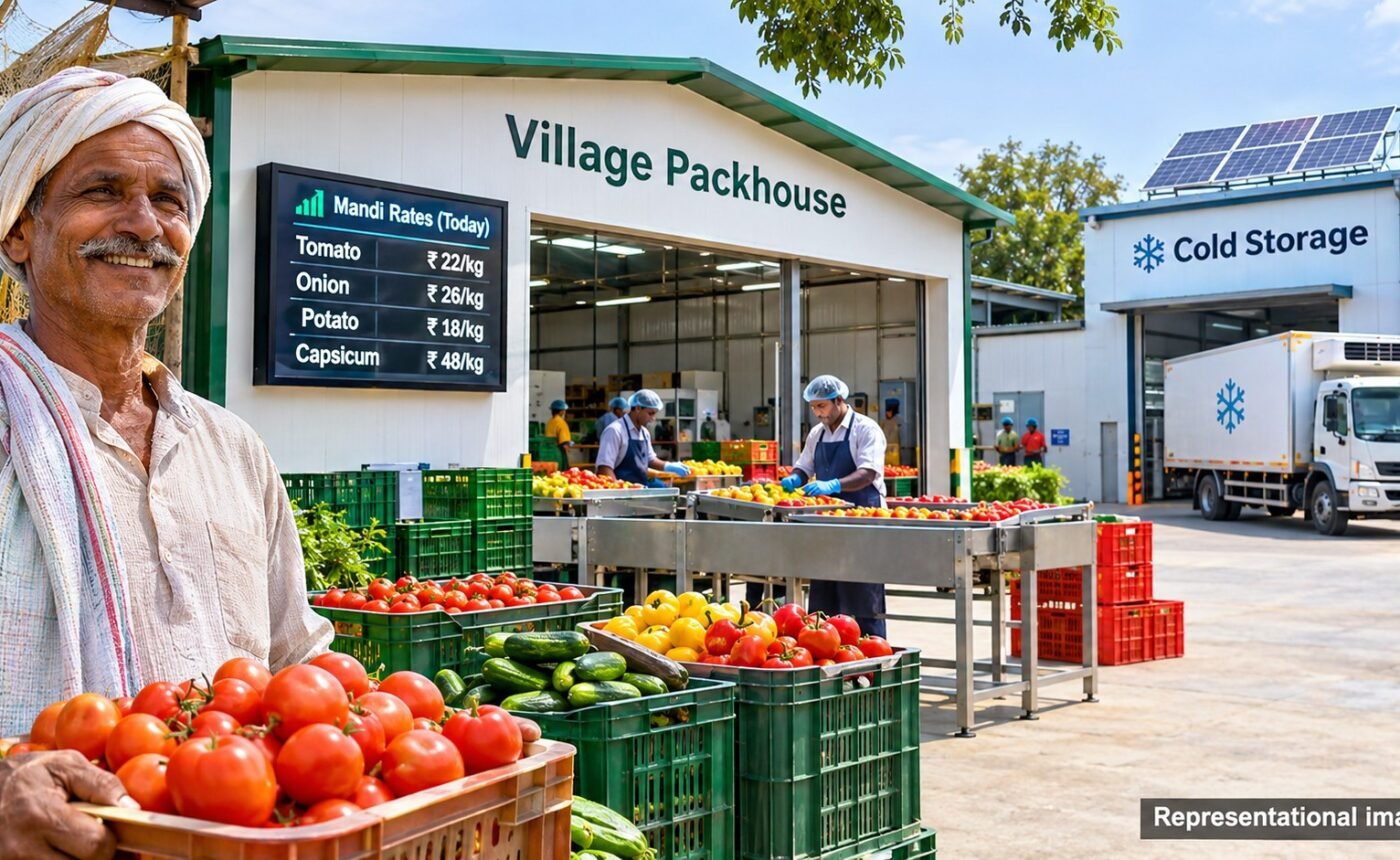
The village packhouses will collect, clean, sort, grade and pack produce before it goes to markets. They will also display daily market prices and the transport available, so farmers can decide when to harvest and where to sell. The policy also backs digital platforms that link farmers, buyers and cold chain transporters, and produce sent to markets will be tracked and traced back to its source.
The policy covers more than fruits and vegetables. Cereals, pulses, oilseeds, spices, milk, eggs, fish, meat and dry fruits are all included.
Each district’s needs will be worked out from its local production and market demand. Packhouses, collection centres, pre-cooling units, cold storages and refrigerated vehicles will be built together in production clusters and connected to transport and markets.
Farmer Producer Organisations (FPOs) will pool produce and sell directly to retail chains, processing units, exporters and e-commerce platforms. Women farmers and disadvantaged sections of farmers will get special attention.
Existing cold storages will be modernised and old refrigeration systems upgraded. The policy will promote solar and other renewable energy, energy audits, digital temperature monitoring and transport tracking. Facilities will be rated on efficiency, energy use, product losses and service quality, and those ratings will decide incentives and modernisation aid.
The Horticulture Department will be the nodal agency. The Haryana State Agricultural Marketing Board, HAREDA, Krishi Vigyan Kendras and universities will look after market facilities, renewable energy and technical training. A state-level panel of allied departments, NABARD and research institutions will monitor progress.
The policy will be rolled out in three phases: 2026-2032, 2033-2040 and 2041-2047. The first phase covers performance standards, energy audits, training, digital connectivity, upgrading existing facilities and priority production clusters. Later phases will expand the network, raise renewable energy use and build stronger links with high-value and export markets. The government says the policy’s success will be judged by how much farmers benefit.



Comments