
Stubble burning: Haryana puts districts on 15-day high alert
 Aayush Goel
Published
Chandigarh. With the paddy season nearly over, Haryana has told its district officials and field staff to stay on alert for the next two weeks and stop every farm fire. Officials have been warned that no laxity or negligence will be tolerated.
“The next fortnight is extremely important,” a spokesperson for the Commission for Air Quality Management (CAQM) said on Friday. He said farm fires in the state had mostly been under control, but some routine cases had been reported in certain districts.
Every deputy commissioner has been told to make sure no stubble is burnt in their district. Officers from the district administration, police and Agriculture Department will meet farmers together and keep a close watch on sensitive villages. The aim is to keep the state’s air clean and within prescribed limits.
Farmers who still set fields on fire face action. They are being served notices, booked in FIRs and fined, the spokesperson said.
Officials of the state commission are visiting districts and reviewing crop residue management and air quality with senior officers. So far they have met deputy commissioners, superintendents of police and agriculture officers in Kaithal, Karnal, Kurukshetra, Jind, Hisar, Rohtak, Hansi and Fatehabad, and collected details of what each district is doing.
The spokesperson said cases had come down as expected because the Central Government has taken steps to make stubble a source of income for farmers. Hisar, Fatehabad, Hansi and Rohtak have seen the biggest fall.
Union Environment Ministry data shows the same trend. Haryana recorded 42 farm fires between September 15 and November 1 this year, against 118 in the same period last year, a drop of about 64 per cent.
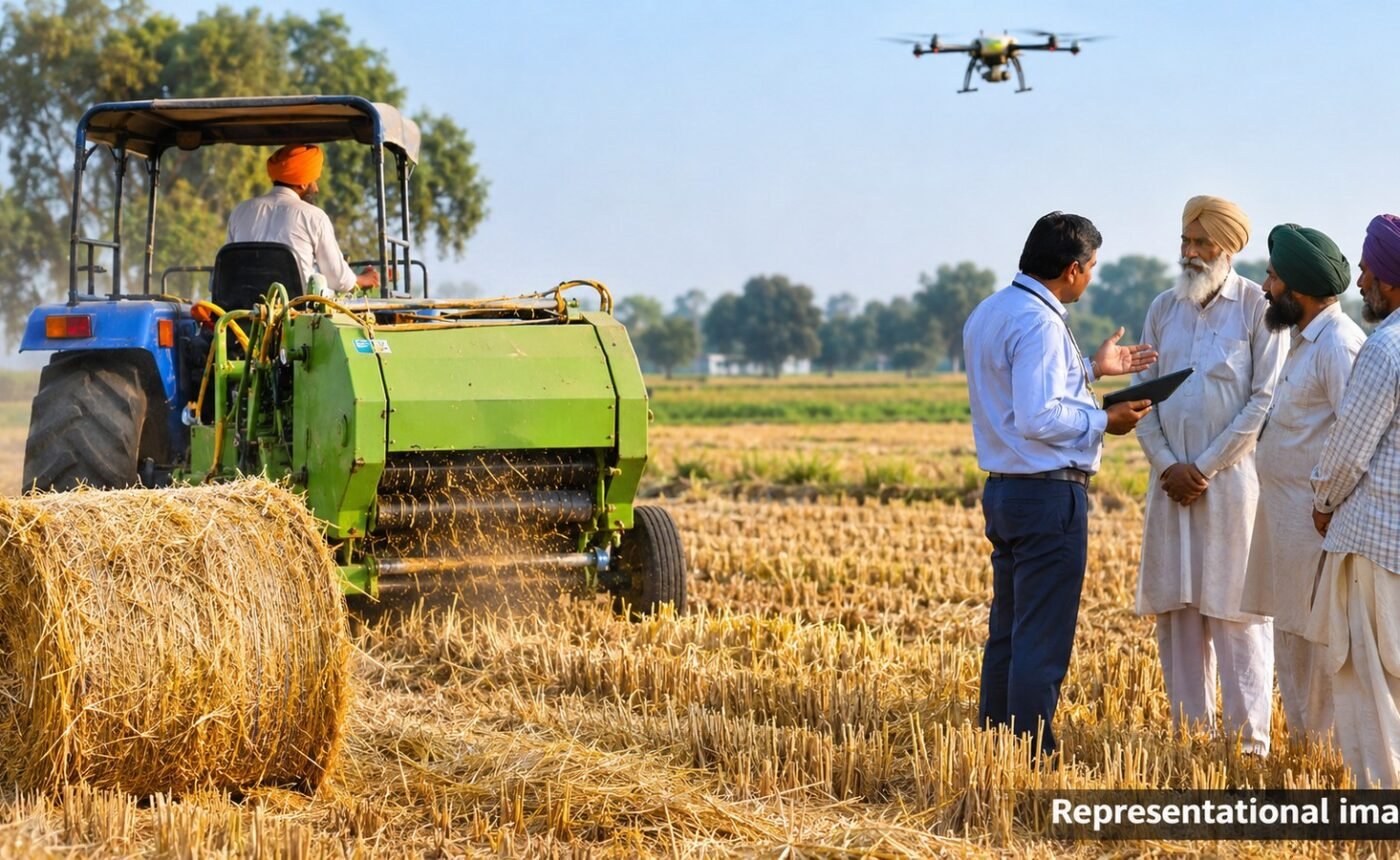
Monitoring on the ground has also been tightened. Paddy-growing villages are under special watch, every village has a nodal officer, and flying squads work at block, subdivision and district levels. Drones and sensors are being used to spot fires, and farmers have been given machines to manage straw in their fields.
Farmers are also being told that stubble can earn them money and is not just farm waste. Local industries have been linked with stubble-based work. Biomass power plants, pellet plants and straw collection centres running in the state use crop residue from farmers and give them a new way to earn, so they have a reason to manage the straw instead of burning it.



Comments